Bellevue Mobility Coalition
Employers and partners accelerating near-term mobility solutions in Bellevue.
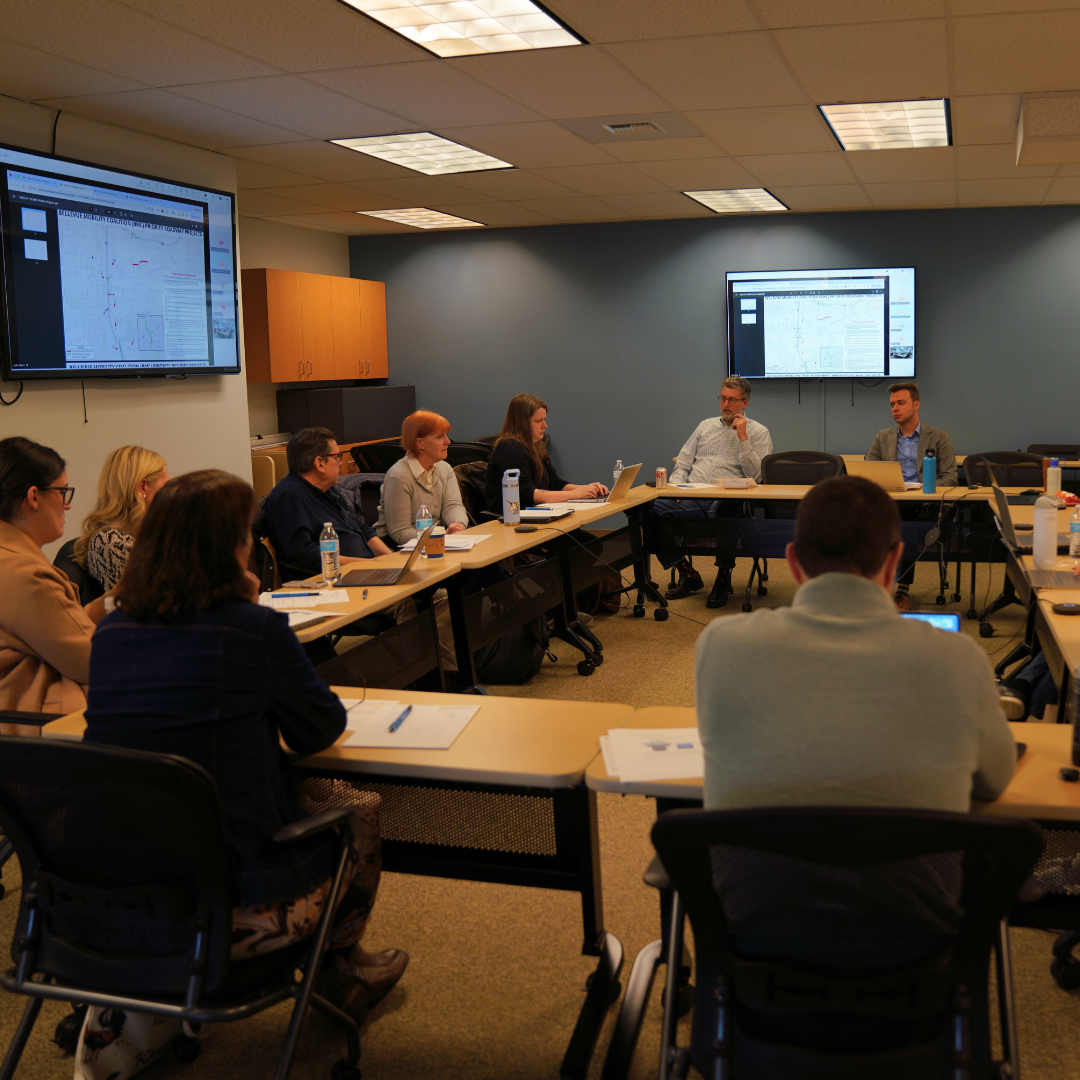
The Bellevue Mobility Coalition aligns employers and transportation partners around quick-win projects that improve access and reliability citywide. The coalition launched in 2025 and focuses on near-term solutions that help workers and customers move more easily.
Membership spans major employers, property managers, nonprofits, and transportation engineers. In public remarks to the City’s Transportation Commission, the Chamber explained BMC’s unified focus on making Bellevue’s transportation plan match the city’s evolving land-use vision by prioritizing strategic planning, elevating Transportation Facilities Plan candidates, and concentrating on high-impact projects in Downtown, Wilburton, and BelRed.
4
Stakeholder groups represented (employers, property managers, nonprofits, transportation engineers).
3
Core recommendations delivered to the City (planning, TFP prioritization, focus corridors)
3
Priority growth areas targeted (Downtown, Wilburton, BelRed).
1
Public body formally briefed
(Bellevue Transportation Commission, public comments on record).
Built a continuing forum for action
Scheduled and promoted recurring coalition meetings to maintain momentum and coordinate employer input on near-term mobility fixes.
Stood up a cross-sector coalition
Formally convened the Bellevue Mobility Coalition and held its kickoff to set expectations and identify quick-win projects
Put recommendations on the record
Delivered three core recommendations to the Transportation Commission: citywide strategic planning, prioritizing TFP candidates and focusing on Downtown, Wilburton and BelRed.
Formally launched the Bellevue Mobility Coalition
In early 2025, the Chamber formally convened the Bellevue Mobility Coalition (BMC) as its newest transportation-focused advocacy group. At its first meeting, announced in the March 7, 2025 launch post, the coalition set expectations for its goals and identified actionable, near-term projects it could advance in the coming months. BMC’s membership included major employers such as Amazon and Symmetra, property managers, nonprofits and transportation engineers, giving the City a single forum to hear from a broad cross-section of mobility stakeholders.
Built a continuing forum for near-term mobility work
From the outset, BMC was designed as a standing coalition rather than a one-time task force. It scheduled recurring meetings, such as the September 17, 2025 session on the Chamber calendar, to keep work moving and to coordinate employer input on near-term fixes like intersection improvements, transit access and first and last mile connections. This ongoing cadence is why the Advocacy landing page highlighted BMC as “employers working together to accelerate near-term projects and improve daily travel.”
Analyzed trends and prioritized multimodal project lists
With support from two transportation consultants, BMC produced detailed analyses to prioritize transportation projects across modes, including transit, vehicle, bike and pedestrian systems, and to identify emerging mobility trends and infrastructure needs around key job centers. These analyses underpinned BMC’s recommendations and helped the Chamber and the City focus on projects that delivered the greatest benefit for commuters and customers, rather than treating roadway, transit, bike and pedestrian investments in isolation.
Put BMC’s recommendations on the public record
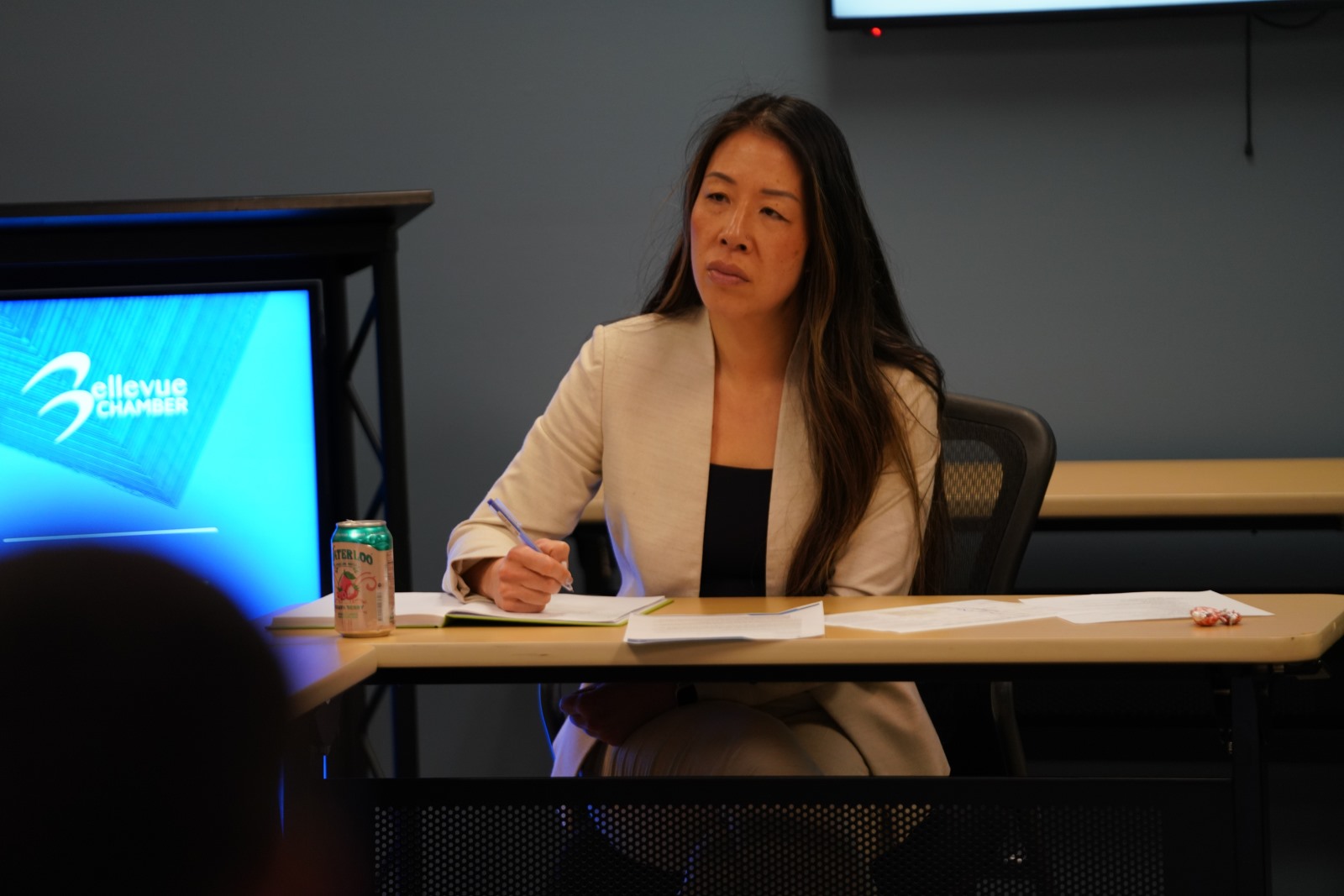
On May 8, 2025, Vice President of Government Affairs Jodie Alberts formally introduced the Bellevue Mobility Coalition to the Bellevue Transportation Commission during oral communications. She described BMC as a coalition of major employers, property managers, nonprofits and transportation engineers and explained that the group’s unified concern was whether Bellevue’s transportation plan would match its evolving land use vision. Her remarks outlined three primary recommendations: launch or accelerate strategic transportation planning to match the updated Comprehensive Plan, prioritize Transportation Facilities Plan projects that address clear infrastructure gaps and focus on high-impact projects in key growth areas such as Downtown, Wilburton and BelRed. She also urged the Commission to elevate new needs-assessment projects as TFP candidates and to use a holistic, citywide lens rather than treating projects in silos.
Helped jump-start Bellevue’s next Master Transportation Plan
Drawing on coalition input and consultant analysis, BMC’s early work helped prompt the City to initiate a new Master Transportation Plan, a key highlight in the Chamber’s 2021 to 2025 advocacy summary. BMC’s multimodal project lists and trend insights informed City staff thinking about where transportation investments were most needed, and the coalition’s credibility and technical expertise led the City to engage BMC regularly to test ideas, address challenges and incorporate business-driven feedback. Within its first year, the Bellevue Mobility Coalition moved from a new group to a standing business partner in shaping Bellevue’s next generation of transportation planning.
“The coalition’s unified concern is in regard to Bellevue’s transportation plan to meet the needs of the evolving land use vision.”
Jodie Alberts, Vice President of Government Affairs
The coalition continues to work on initiatives to improve mobility in Bellevue for years to come:
- Coalition launch and goal-setting: BMC formally met to align on goals and identify actionable, low-hanging-fruit projects to pursue.
- Public testimony to the City: Coalition recommendations were presented during public comment at the Transportation Commission, putting employer priorities into the official record.
- Mobilizing the business voice: The Chamber’s Advocacy program highlights BMC as a “Results That Matter” initiative that is accelerating near-term projects and improving daily travel.
- Refining project priorities across all modes: BMC will continue working with consultants and City staff to refine priority project lists across transit, vehicle, bike, and pedestrian networks, focusing on projects that meaningfully improve safety, access, and reliability in key job centers and growth areas.
- Informing the Transportation Facilities Plan (TFP): As the City updates the Transportation Facilities Plan, the coalition will track how candidate projects are scored and sequenced, and will provide feedback so that employer‑critical connections—like access to Downtown, Wilburton, BelRed, Eastgate, and major corridors, are factored into prioritization.
- Supporting work on the Master Transportation Plan: With a new Master Transportation Plan in development, BMC will serve as a sounding board for high‑level scenarios and corridor strategies, helping ensure that plan assumptions reflect actual commute patterns, shipping needs, and business operations.
- Coordinating with the Transportation Committee and Policy Council: The coalition’s insights feed directly into the Chamber’s Transportation Committee and Policy Council, helping shape formal letters, testimony, and coalition positions on topics like the Mobility Implementation Plan, TFP, curb management, and major regional projects.
Click here to view all of the members of the Bellevue Mobility Coalition.
Ready to Join our Mobility Coalition?
Apply to JoinEligibility: Advocate‑level members and above may join this coalition.