
2026 Legislative Kick Off: A shared agenda for a safe, thriving Eastside
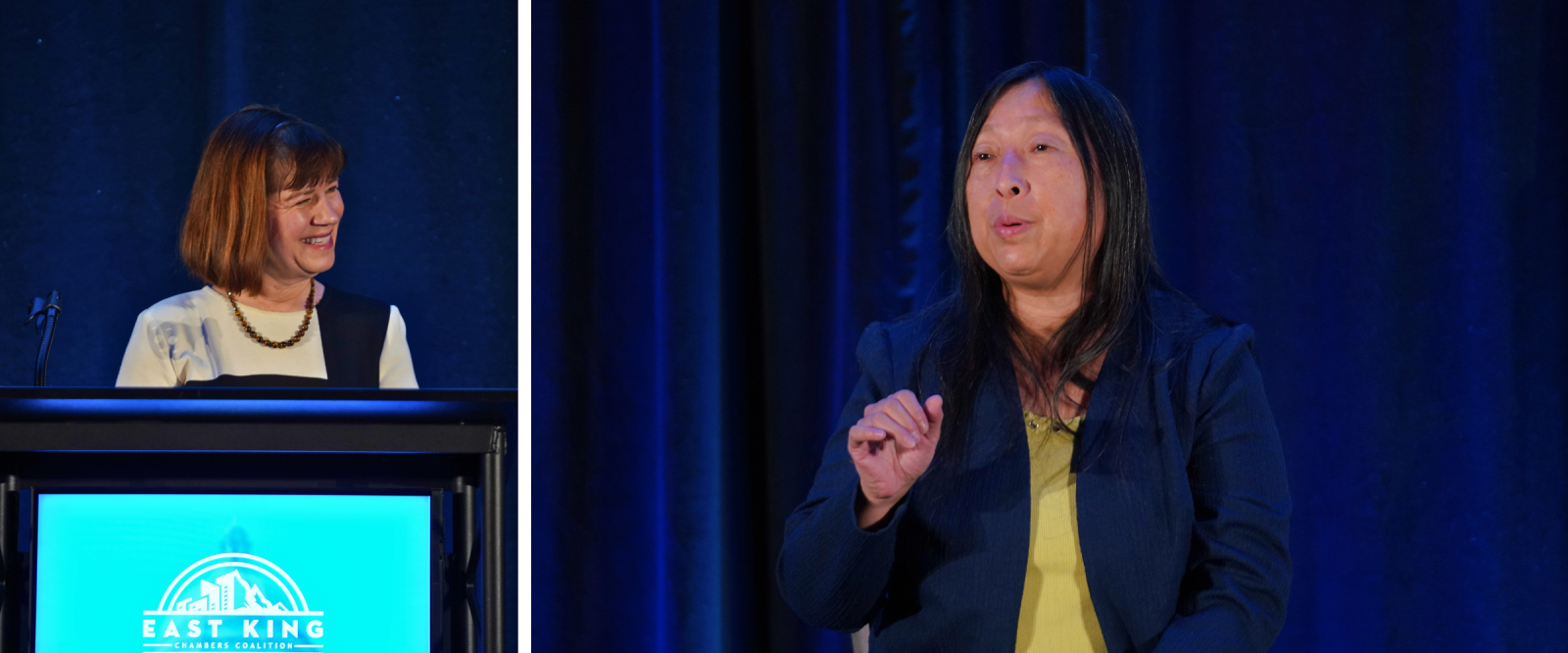
Our annual Legislative Kickoff with the East King Chambers Coalition is one of those mornings that manages to feel both fast and consequential. Before the first votes are cast in Olympia, Eastside employers, community leaders, and elected officials come together in Bellevue to compare notes on what is coming, what is working, and what is not. As Coalition Chair Mike Connolly put it, the East King Chambers Coalition has spent more than 20 years bringing together 11 chambers so the Eastside can speak with a unified voice on the issues that shape our communities and economy.
This year’s program covered a lot of ground, from education and workforce to public safety, the economy, housing, energy, and transportation. The conversations were candid, sometimes blunt, and consistently focused on the real world impacts businesses and residents feel every day.
Education & Workforce: Attention, pathways, and the jobs of tomorrow
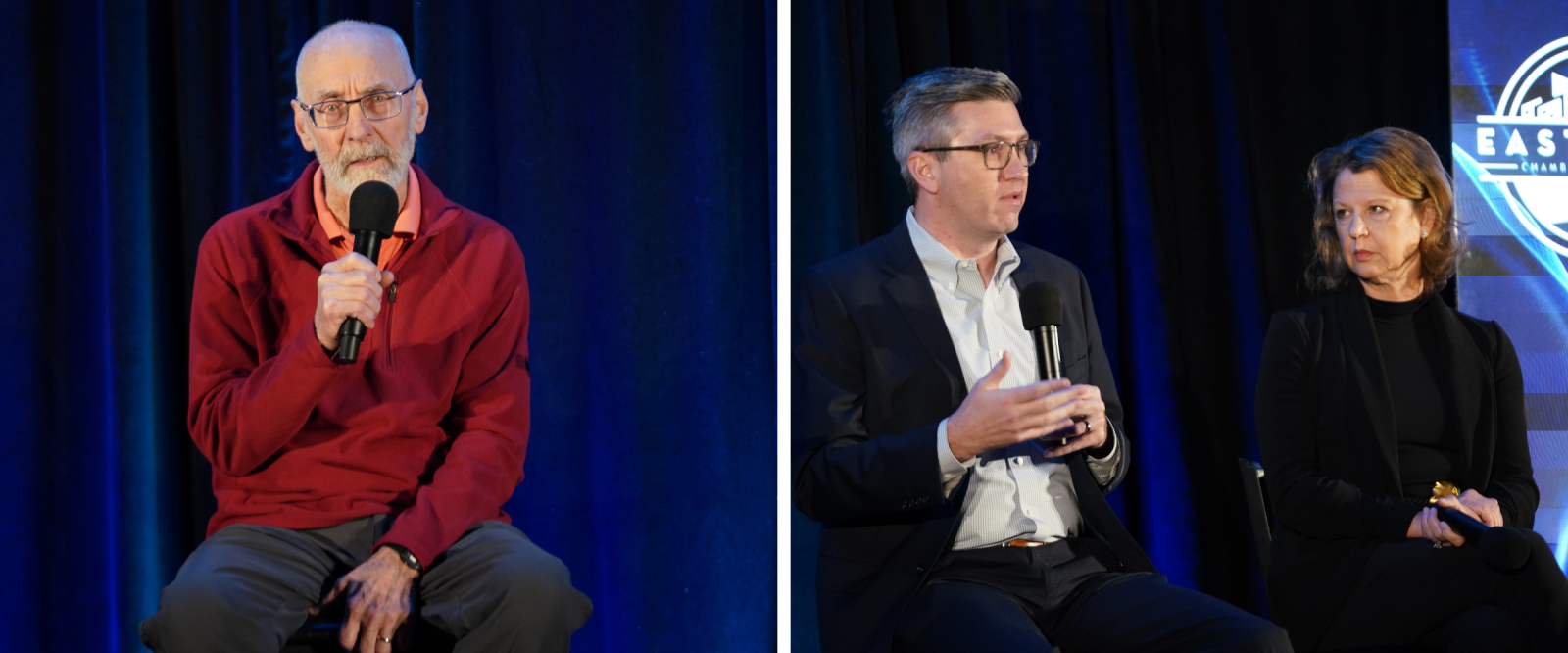
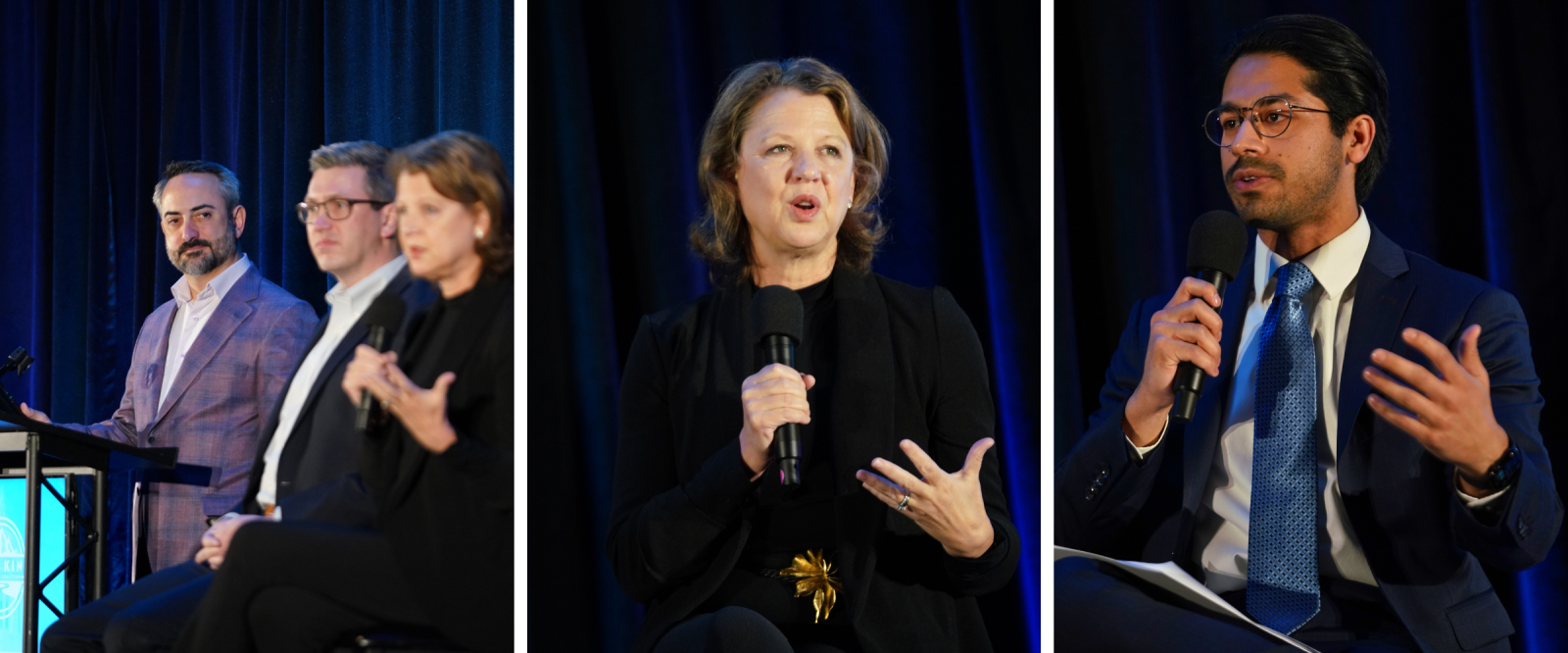
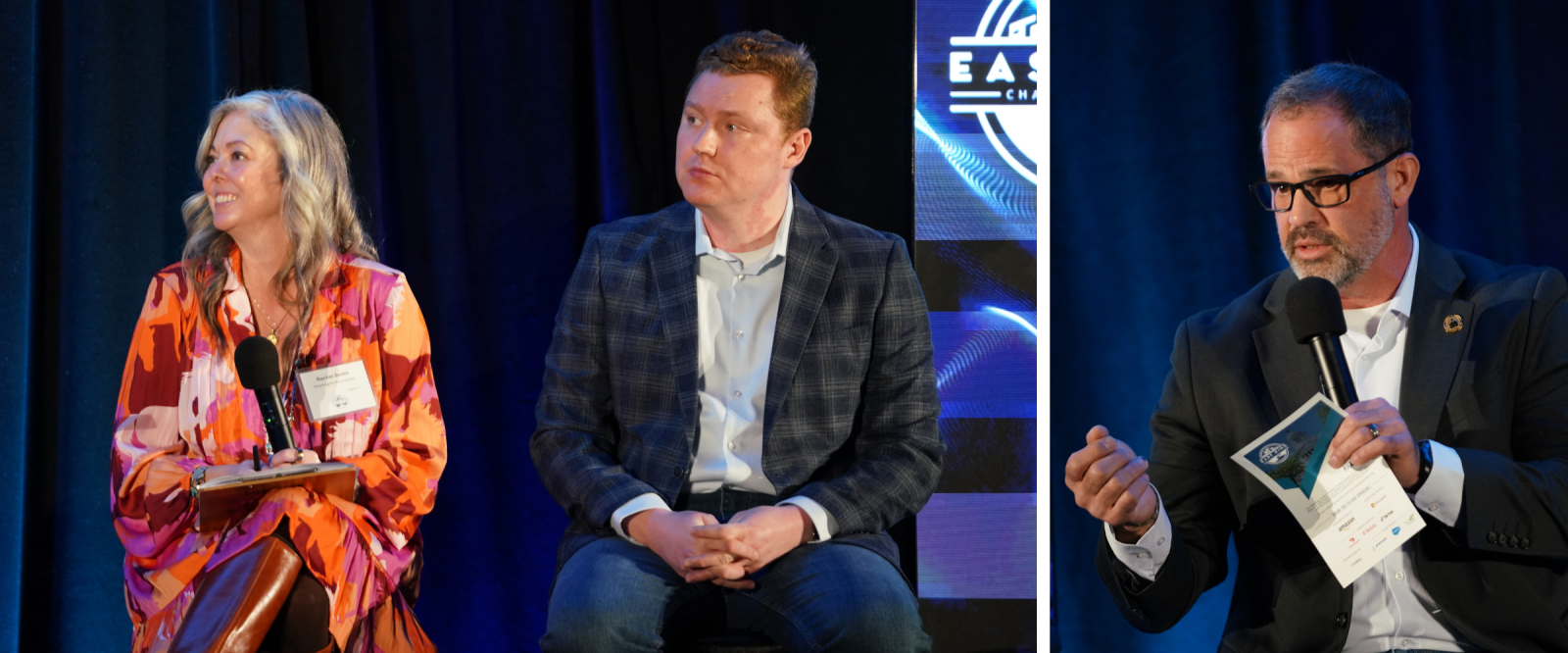
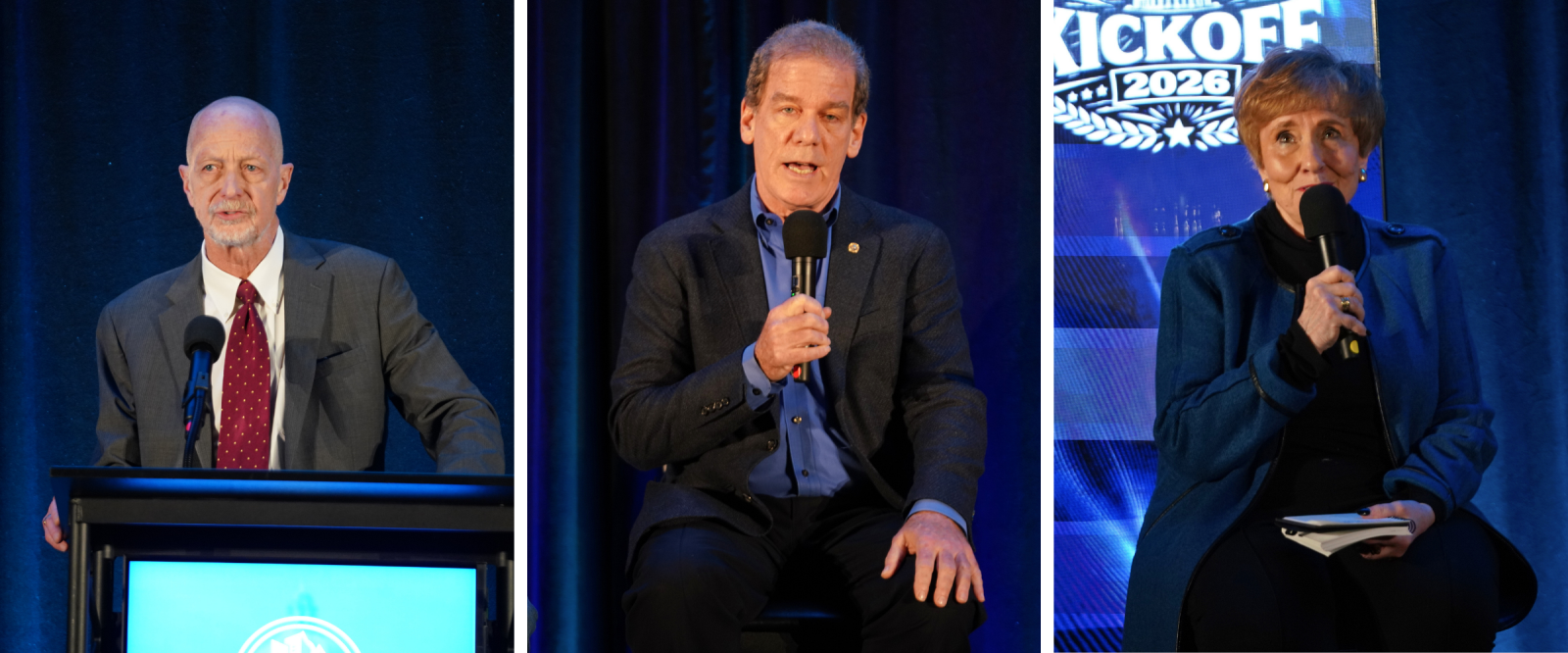
The day opened with a panel moderated by Washington Roundtable President Rachel Smith, bringing together Representative Brian Burnett, Representative Roger Goodman, Representative Zach Hall, and Senator Lisa Wellman. The discussion moved quickly from education to workforce readiness, with a reminder that “systems” matter because they shape opportunity and economic health across the state.
On education and workforce, panelists kept coming back to pathways, not just spending. Sen. Lisa Wellman pointed to earlier interventions and clearer on-ramps, from literacy and “high school and beyond” planning to making sure students actually know financial aid is available. She also highlighted hands-on career options: skill centers and specialized high schools (aviation, maritime, and healthcare models) that connect students directly to credentials and jobs. Rep. Roger Goodman emphasized the role of community and technical colleges as the workforce pipeline, while Rep. Zach Hall flagged the value of targeted flexibility for local districts to meet student needs.
AI also showed up early as both a workforce disruptor and a student safety issue. Senator Wellman described the current landscape as “the Wild Wild West,” especially when it comes to guardrails for kids online, and connected it to the very practical question of energy demand from data centers.
Public Safety: What the numbers say, what people see, & what businesses experience
On public safety, the panel balanced statistics with street-level reality. Representative Goodman noted that crime has declined in many categories, but also pointed to the disconnect between overall numbers and what people see in public spaces, especially when clearance rates are low and disorder is highly visible.
For many employers, the conversation landed where the impacts are immediate: organized retail theft and protection of critical infrastructure. Representative Goodman called out organized retail crime as a category that has not seen the same decreases and described ongoing work on targeted prosecutors and law enforcement pilot efforts. He also underscored the consequences of vandalism and theft tied to high-value materials like copper and the ripple effects when fiber is damaged and service is disrupted for tens of thousands of people.
The panel also touched on the mechanics of funding. On the local public safety grant program, Representative Goodman acknowledged there have been “bureaucratic hiccups” and that funds had not yet made it out to police agencies at the time of the discussion.
Representative Burnett brought in the broader backdrop: The drug crisis, juvenile serious crime trends, and the importance of rehabilitation and reentry so people come back into community in a way that is safer and more stable for everyone. He also highlighted youth firearm access, including the reality that guns are increasingly easy to obtain and even produce, paired with the need for wraparound approaches rather than only punishment.
Homelessness & Behavioral Health: The hard work between outreach and outcomes
When the conversation turned to homelessness, the panel treated it as the complex, overlapping challenge it is. Representative Goodman described two distinct populations: people with significant behavioral health needs who are unsheltered, and people who are economically displaced and housing insecure, including those who are couch surfing and do not have stable housing.
Later, he returned to a point that resonated in the room because it was both straightforward and difficult to argue with:
“You can’t solve any of your problems if you have no safe place to sleep at night.”
The discussion also emphasized that outreach is only the first step, and that the ongoing work of engagement and case management is where progress is made.
Economy & Budget: Competitiveness, confidence, and the slow leak problem
The economy panel had its share of humor, but the underlying theme was serious: how Washington competes, how businesses make long-term decisions, and how policy signals add up over time.
Moderator Guy Palumbo referenced a metaphor that stuck because it describes what many businesses feel before the headlines catch up:
“The economy is like a balloon,” where trouble shows up as a “slow leaking of jobs,” not a single dramatic moment.
The panel also reflected on what does not make press releases, like projects not started and expansions that quietly go elsewhere.
Representative Walen spoke to the budget environment and the tension between new demands and fiscal constraints, including the argument for restraint around emergency reserves. She also delivered one of the day’s most repeatable lines about fiscal discipline: “I throw nickels like they're manhole covers".
On the business climate side, the panel talked about what makes companies stay, expand, or hesitate. One speaker described the assumption that companies will never leave as “arrogance,” and framed competitiveness as something that requires intention, not autopilot. Representative Stokesbary added a line that captured the stakes in plain language:
“If you want to tax the rich, you've got to have rich people left to tax.”
Representative Springer also emphasized a related concern: not just whether companies leave, but whether they choose to expand here.
During the tax and budget panel, the conversation around the proposed 9.9% income tax on salaries over $1 million quickly turned into a bigger question of trust: if it starts with “millionaires,” why should anyone assume it stays there, especially when, as was noted from the stage, past deals have been broken and taxes like capital gains have risen after launch.
Rep. Larry Springer answered with a level of honesty that got everyone’s attention:
“If past history is prologue ... yeah, you probably shouldn’t necessarily believe that,”
... adding that an income tax debate is hard to separate from whether Olympia is also willing to reduce more regressive taxes, and pointing out that the state had only recently put into statute that an income tax would not be passed, only to be debating one again within a year.
Representative Drew Stokesbary took it a step further, arguing that the legislature, “never reduces taxes,” and saying the whiplash around commitments is exactly why people lose confidence, citing the “pie crust promise” line as shorthand for promises that are easy to make and easy to break.
Housing, Energy, & Transportation: The constraints behind the headlines
The last panel with Rep. Osman Salahuddin, Rep. Janice Zahn, and Rep. Debra Entenman leaned into the practical reality behind housing headlines: What gets built comes down to liability, financing tools, staffing capacity, and whether infrastructure can keep up. Condo reform was a bright spot they returned to early, with Salahuddin describing House Bill 1403 as a first step toward making it easier to build condominiums and expand long-term homeownership options beyond the apartment-only track, including more “starter condo” opportunities that help people move up over time.
Entenman added a personal note that made the market feel real. Even downsizing can be tough right now, as she described wanting to move into a smaller home like a condo but finding the math is not always friendly.
Zahn took the conversation from “what should we build” to “what will it take to deliver,” especially as the state stands up a new Office of Housing. She talked about exploring more financing options, including a revolving low-interest tool that did not advance last session, and emphasized that housing is not just land use and permitting, it also depends on infrastructure and financing lining up together, “walk talk and chew gum at the same time.”
That flowed naturally into permitting capacity. Salahuddin gave a shout-out to Bellevue, Redmond, and Kirkland for being out in front on permitting innovation and highlighted Bellevue’s govstream.ai pilot as an AI-based approach aimed at reducing a bottleneck while maintaining process integrity. Zahn added that state policy changes can quickly become unfunded mandates and said she wants to see grant support so cities have the resources to actually implement what the legislature passes.
Energy discussion stayed grounded in the same theme: Planning has to match reality. Entenman stressed long-term thinking about the power grid and acknowledged the need for flexibility if infrastructure cannot keep pace, especially with more demand pulling on the system, including AI. Salahuddin echoed the pressure from data centers and competitiveness, and connected energy planning back to permitting and how quickly the state can build what it needs. Then, in the closing “thumbs up or down” on transportation funding, Zahn noted the road usage charge is “still on the table” and suggested reframing it as a “pavement impact fee,” focused on equity and the real impact vehicles have on pavement as preservation and maintenance needs grow.
You can find the full video of this year's Legislative Kick Off here!
What's Next?
We wrapped the morning with thanks to the lawmakers who made time ahead of session, the coalition chambers who help shape these conversations, and the sponsors who make it possible. As Woodinville Chamber Executive Director Kimberly Ellertson noted, the goal of the event is to create space for frank discussion and steady collaboration through the session ahead.
If you missed this year’s Kickoff, consider it your nudge for next time. These events are where you get more than soundbites: you hear how issues connect, where there is momentum, and where the hard parts still are. And if you want to keep the conversation going, mark your calendar for Chamber Day in Olympia on February 18, and watch for our Legislative Wrap-Up this spring.
Categories
Bellevue Chamber President & CEO Joe Fain: “In practical terms, this means taxpayers and employers from every corner of Washington would be directly subsidizing the City of Seattle’s budget.”
Read the editorial: https://lnkd.in/g-MttGZa
As we evaluate the legislation, we’re focused on affordability impacts for families and employers, whether outcomes are tangible in communities, and how the policy affects long-term budget sustainability and Washington’s competitiveness.
Chamber President & CEO Joe Fain also flagged several structural issues that need closer review, including treatment of pass-through entities, charitable deductions, a potential marriage penalty, and interactions with other state tax policies.
Read more: https://lnkd.in/g8Uv_wD4