
Washington's Long Sordid Saga With Income Taxes
Date postedFebruary 3, 2026
Many efforts to enact an income tax through legislative or voter action have failed.
Two were vetoed by the Governor in 1931, five were overturned by the Washington Supreme Court, and nine were rejected by voters.
The only proposal ever approved at the ballot, Initiative 69 in 1932, was ultimately ruled unconstitutional by the Washington State Supreme Court.
1931
Income Taxes Vetoed
1930
Constitution Amended to Add Uniformity Clause
1932
Voters Approve Initiative 69
1933
Court Strikes Down Tax Initiative 69
1934
Voters Defeat Income Tax Amendment
1935
Governor signs HB 237
1936
Court rulings block income tax
1936
Voters Reject Income Tax Amendment
1938
Voters Reject Income Tax Amendment
1942
Voters Reject Income Tax Amendment
1951
Court invalidates Corporate Excise Tax
1970
Voters Reject Income Tax Amendment
1973
Voters Reject Income Tax Amendment
1975
Voters Reject Corporate Net Income Tax Initiative
1982
Voters Reject Corporate Net Income Tax Initiative
2010
Voters Reject High Earners Income Tax Initiative
2024
Legislature Approves Initiative Banning Income Taxes
2026
Legislature Introduces Personal Income Tax
1931
Legislature Approves Initiative Banning Income Taxes
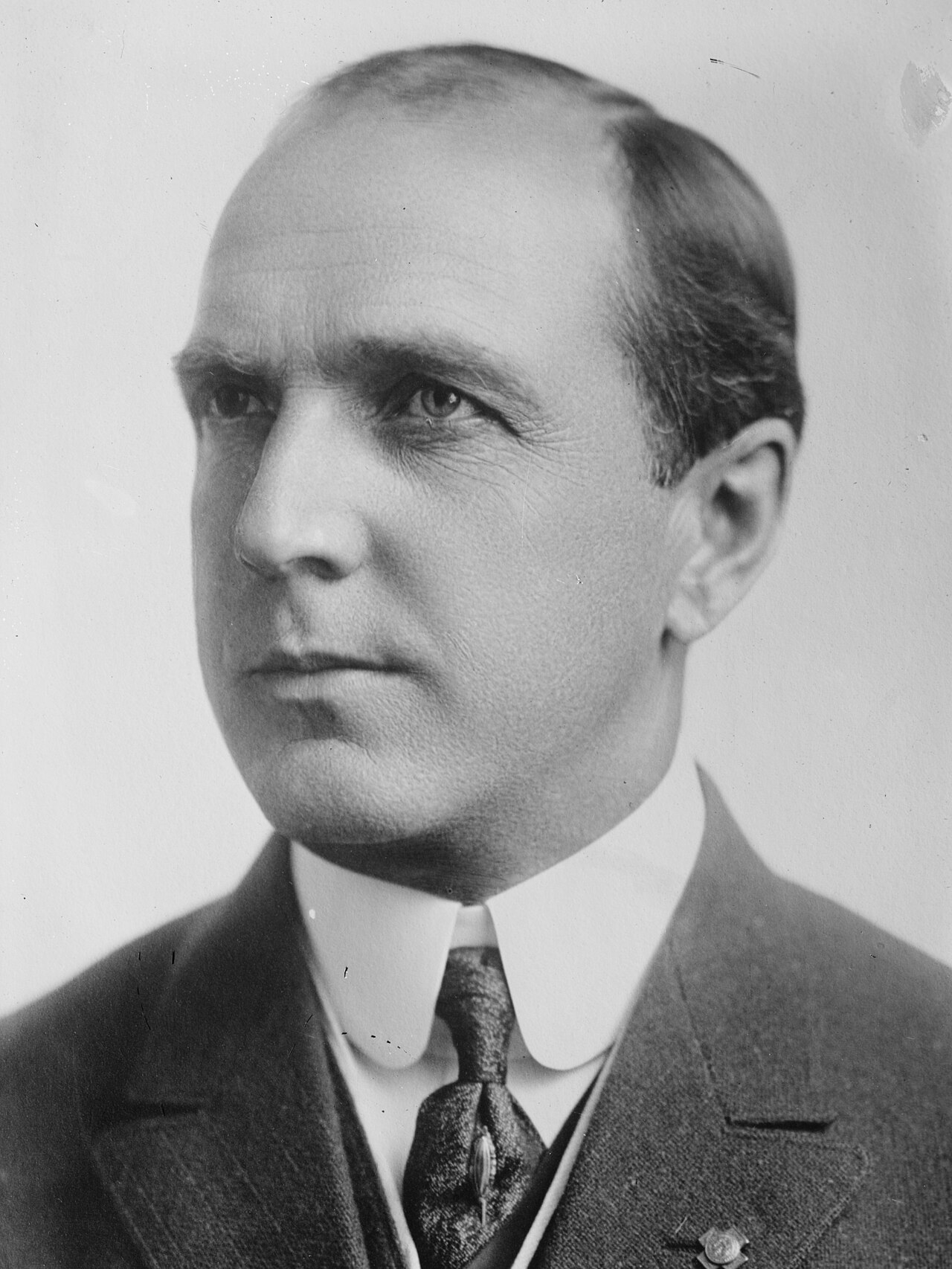
1931
Governor Vetoes Income Tax Package
The Legislature passed a personal and corporate income tax package that was later vetoed.
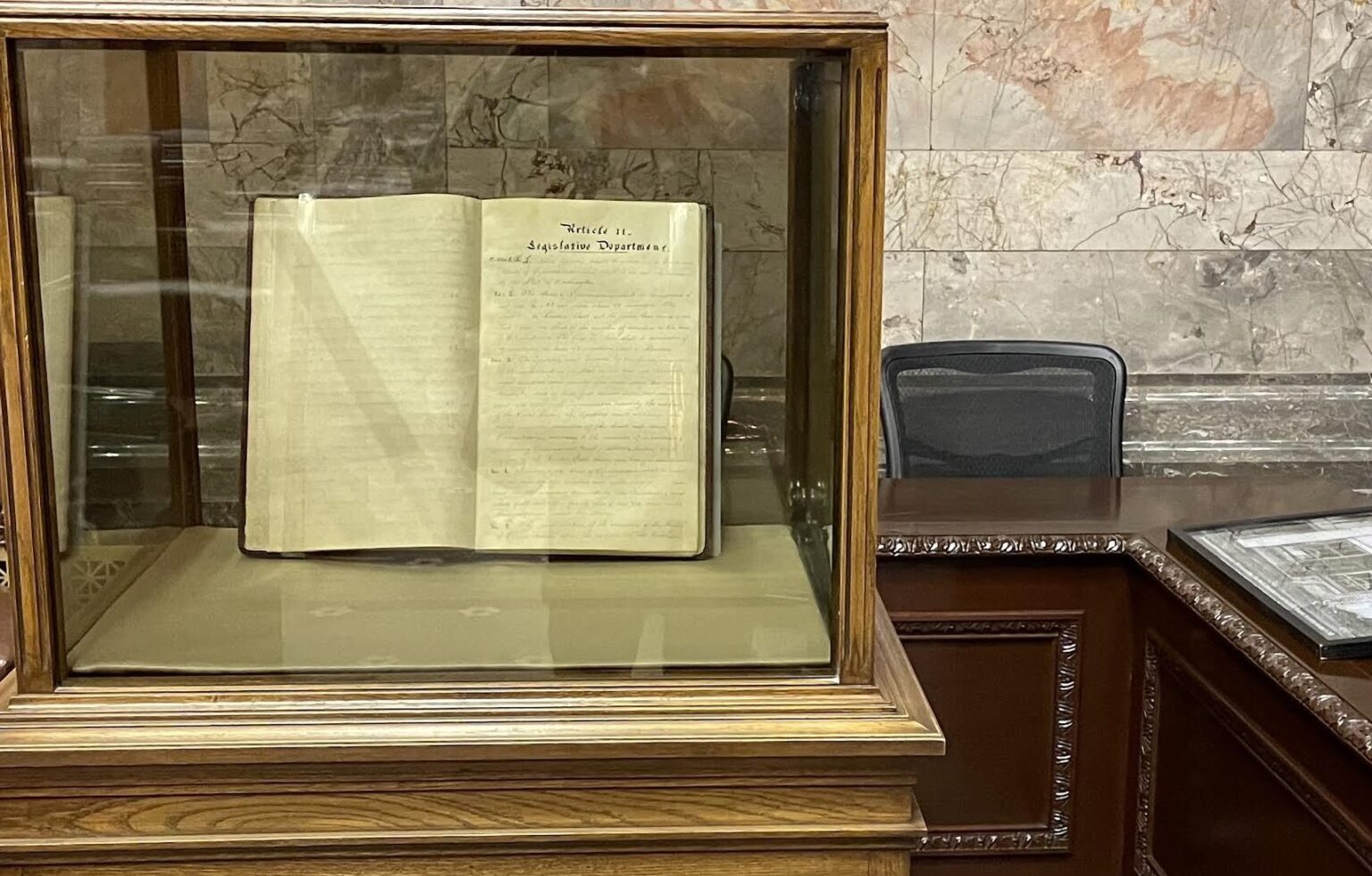
1930
Constitutional Amendment: Uniformity & Broad Definition of Property
In 1930, the current uniformity clause was adopted (Amendment 14).
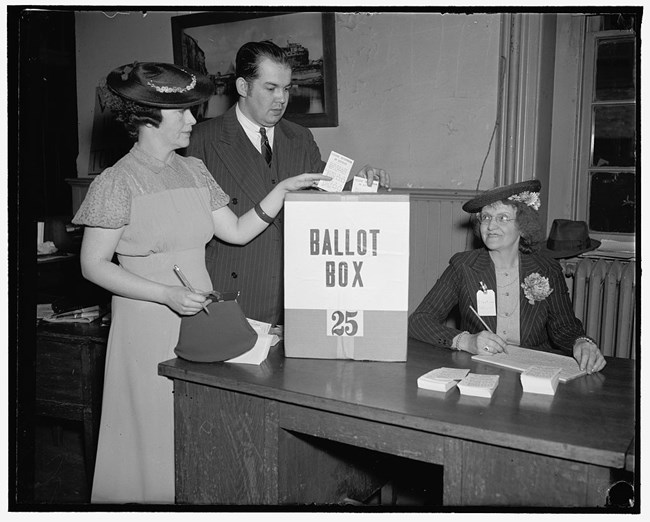
1932
Voters Approve Statewide Income Tax
70% of voters approve a graduated progressive income tax ranging from 1% to 7% on annual income for individuals and corporations.
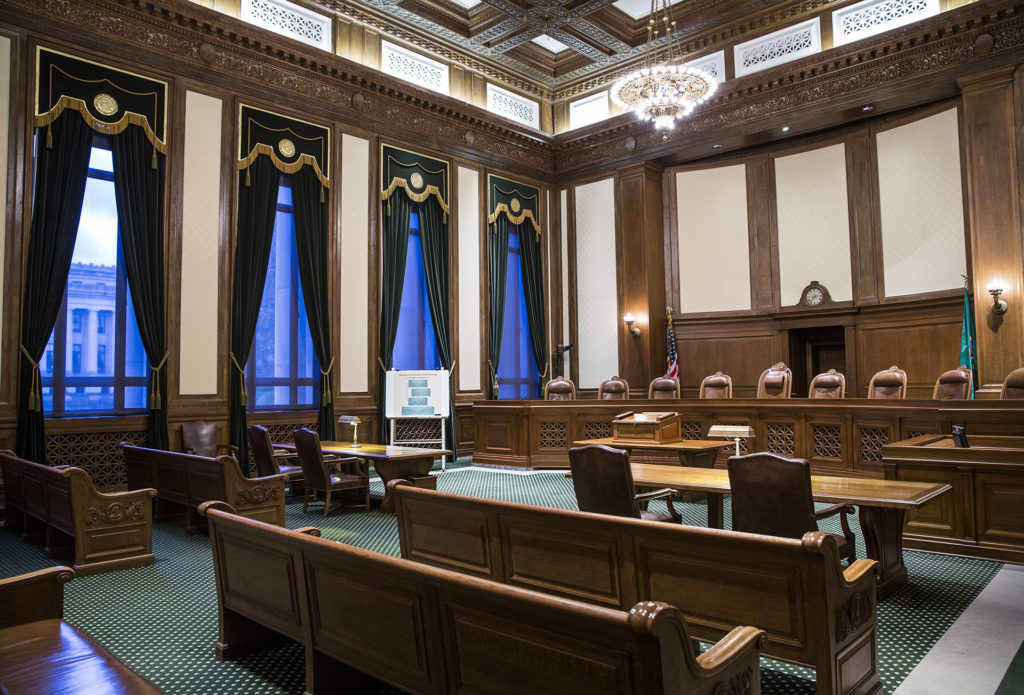
1933
Court Invalidates Income Tax
Washington State Supreme Court finds Initiative 69 to be unconstitutional.
1934
Voters Reject HJR 4 Constitutional Amendment
The legislature passed House Joint Resolution 12 to amend the constitution allowing for a graduated income tax.

1935
Revenue Act of 1935
Washington Governor Clarence Martin signs a suite of revenue bills including a net income tax.
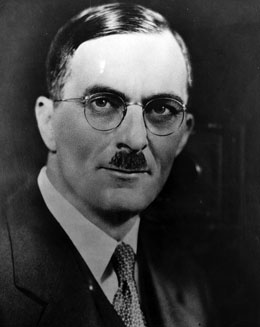
1936
Court Strikes Down Income Taxes
Washington Supreme Court holds personal and corporate income taxes unconstitutional in separate decisions.
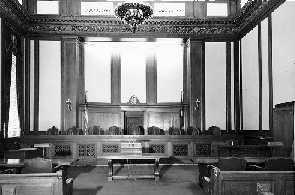
1936
Voters Reject SJR 7
The Legislature adopted and voters subsequently rejected, Senate Joint Resolution 7.

1938
Voters Reject SJR 5
Voters reject Senate Joint Resolution 5, another proposal to authorize graduated net income taxes.

1942
Voters Reject HJR 4
Voters reject House Joint Resolution 4, which would have authorized graduated net income taxes.

1951
Court Invalidates Corporate Privilege Tax
Washington Supreme Court strikes down a corporate privilege tax on net income.

1970
Voters Reject Income Tax Amendment
Voters reject a constitutional amendment that would have authorized a flat-rate corporate and personal income tax.

1973
Voters Reject Graduated Income Tax Amendment
Voters reject a constitutional amendment proposing a graduated personal income tax and a flat-rate corporate income tax.

1975
Voters Reject Initiative 314
Voters reject Initiative 314, which proposed a corporate privilege fee on net income.

1982
Voters Reject Initiative 435
Voters reject Initiative 435, another corporate privilege fee proposal tied to net income.

February 4, 2026
Voters Reject Initiative 1098
Voters reject Initiative 1098, an excise tax proposal on higher levels of personal income.

2024
Legislature Approve Initiative 2111
Supermajorities in the House and Senate approve I-2111, prohibiting state and local income taxes.
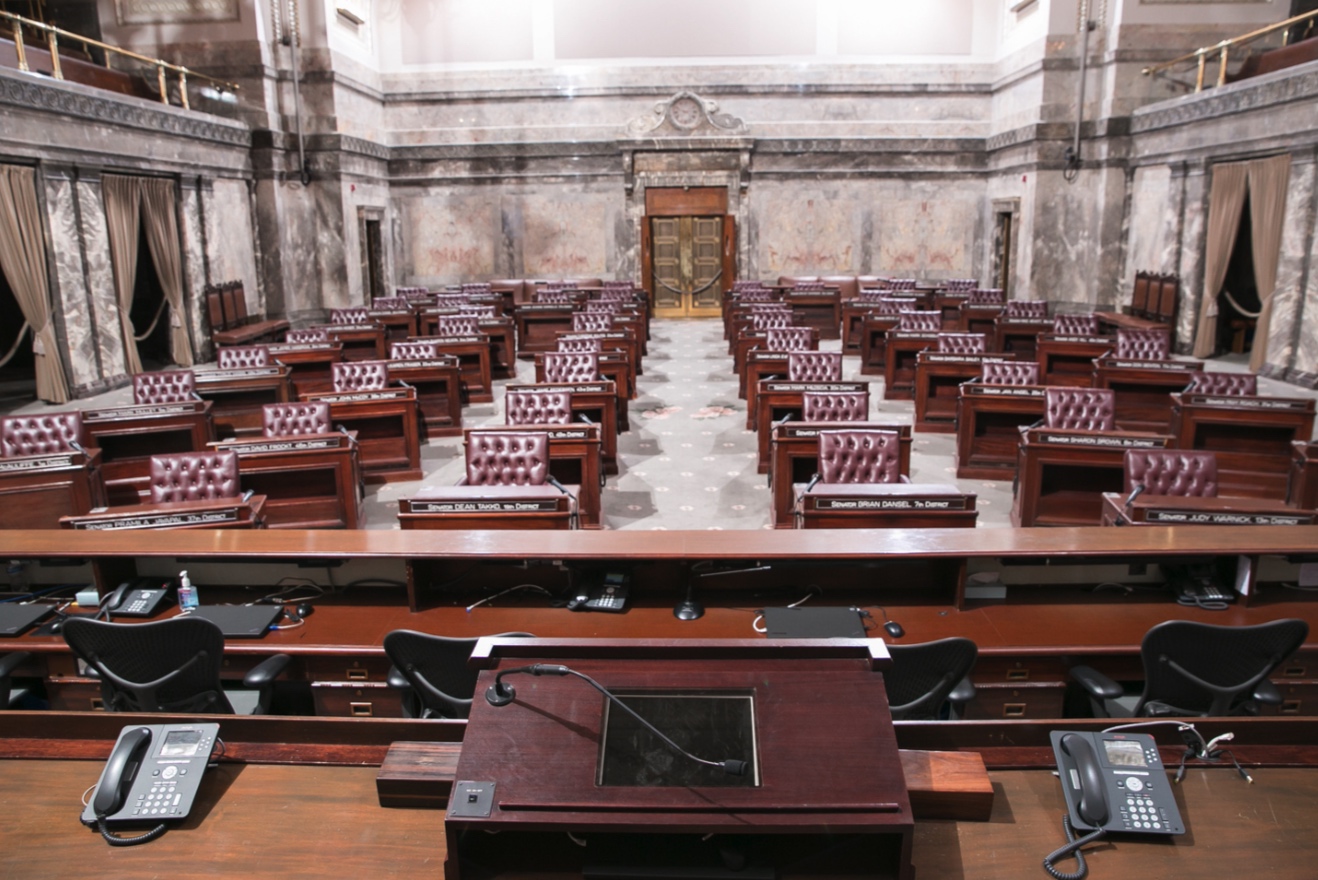
2026
Legislature Introduces Millionaire's Income Tax
Senate Bill 6346 would institute a tax on personal incomes above $1 million.
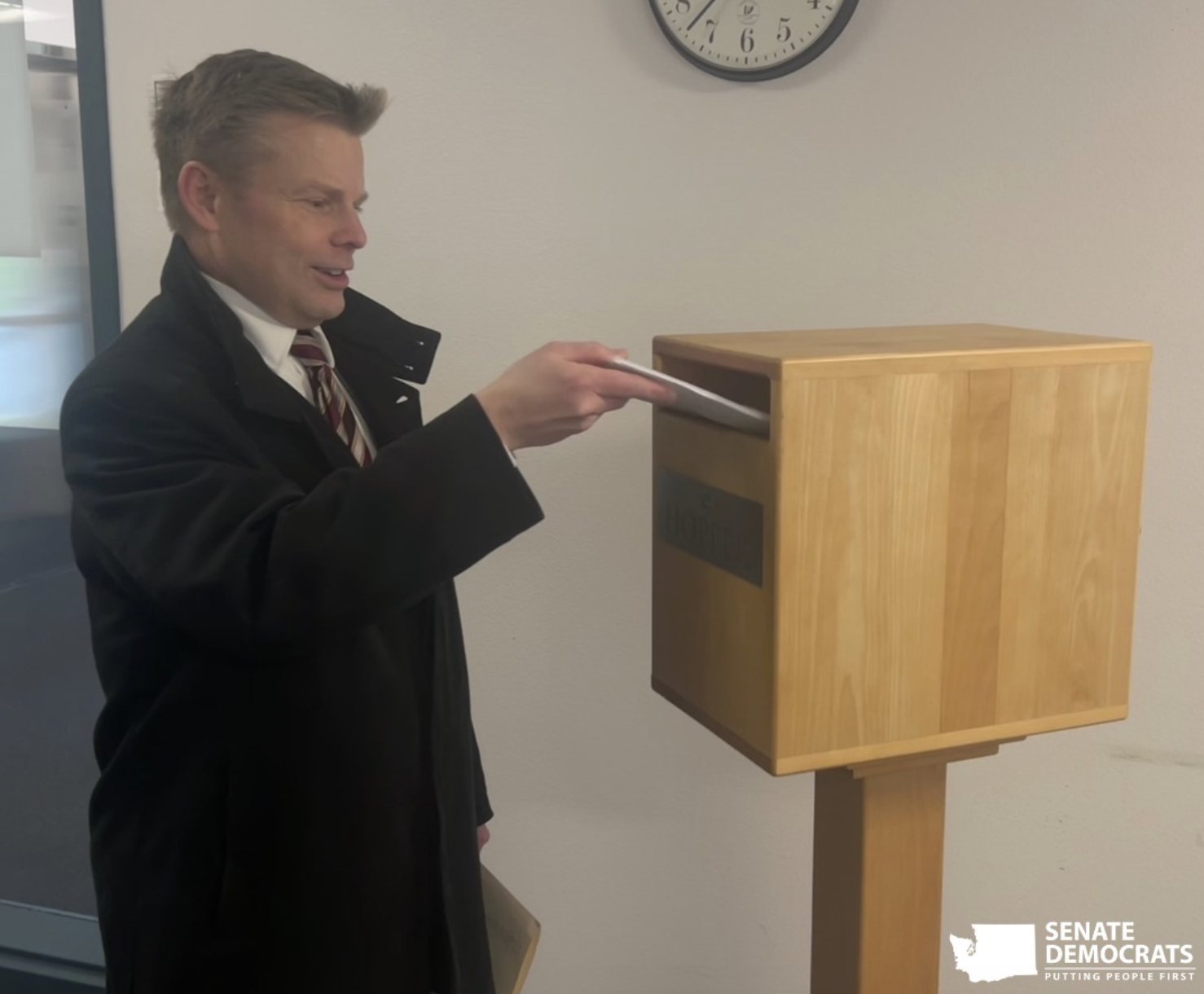
Joe Fain
12 hours ago
Washington has a long sordid saga on the path to approving an income tax.
Two were vetoed by the Governor in 1931, five were overturned by the Washington Supreme Court, and nine were rejected by voters.
The only proposal ever approved at the ballot, Initiative 69 in 1932, was ultimately ruled unconstitutional.
This interactive timeline will help you take a stroll through history.
https://lnkd.in/gexPz9W9
Two were vetoed by the Governor in 1931, five were overturned by the Washington Supreme Court, and nine were rejected by voters.
The only proposal ever approved at the ballot, Initiative 69 in 1932, was ultimately ruled unconstitutional.
This interactive timeline will help you take a stroll through history.
https://lnkd.in/gexPz9W9
Read more
Joe Fain
21 hours ago
“Washington’s economy is in a really tough place,” says Fain. Growth has slowed. In the past five years, the strong migration to Washington from other states has reversed. “The entrepreneurial class is leaving,” Fain says.
Apart from health services, private-sector job growth has been flat — and now comes a wave of layoffs in the tech companies. There is talk of a recession. Maybe we are in one.
https://lnkd.in/gNpy8i6B
Apart from health services, private-sector job growth has been flat — and now comes a wave of layoffs in the tech companies. There is talk of a recession. Maybe we are in one.
https://lnkd.in/gNpy8i6B
Read more
Joe Fain
1 day ago
Washington's latest attempt to impose a statewide income tax is moving fast. The legislation, Senate Bill 6346 has a lot of moving pieces. We've broken it down for you in our quick FAQ.
https://lnkd.in/gzhFENrX
https://lnkd.in/gzhFENrX
Read more
Bellevue Chamber
6 days ago
Bellevue Chamber
6 days ago
2025 flew by… so we hit rewind ⏪
From Legislative Kick Off + Chamber Day to Women’s Leadership Conference, big conversations (hello, “Going Nuclear”), networking nights, ribbon-cuttings, and all the community-building in between — it was a busy year in the best way.
We just dropped our 2025 Chamber Year in Review with month-by-month highlights + a “Best Of” photo album 📸
🔗 Read the recap: https://lnkd.in/gcWhrHPB
(Advocacy friends: don’t fret — Policy Wrapped is coming soon 😉)
#BellevueBusiness #Bellevue #BellevueChamber #Eastside
From Legislative Kick Off + Chamber Day to Women’s Leadership Conference, big conversations (hello, “Going Nuclear”), networking nights, ribbon-cuttings, and all the community-building in between — it was a busy year in the best way.
We just dropped our 2025 Chamber Year in Review with month-by-month highlights + a “Best Of” photo album 📸
🔗 Read the recap: https://lnkd.in/gcWhrHPB
(Advocacy friends: don’t fret — Policy Wrapped is coming soon 😉)
#BellevueBusiness #Bellevue #BellevueChamber #Eastside
Read more
Joe Fain
January 23
David & Brad nailed it. "This is a supply-side problem at its core."
You can't get more people into homes if there are no homes to get people into. Amazon and Microsoft have made tremendous direct investments in housing. After years of working on this issue they have also learned that our housing deficits have as much or more to do with policy than funding.
You can't get more people into homes if there are no homes to get people into. Amazon and Microsoft have made tremendous direct investments in housing. After years of working on this issue they have also learned that our housing deficits have as much or more to do with policy than funding.
Read more
David Zapolsky
January 23
The Puget Sound region faces a housing emergency that threatens our quality of life and economic competitiveness. That's why Amazon stepped up with unprecedented action -- since 2021 we've committed over $900 million to create or preserve more than 10,000 affordable homes, benefiting 22,000 Washingtonians. What sets our approach apart is that we require these homes to remain affordable for 99 years, ensuring housing stability for generations to come.
But we know we can't solve this alone. That's why I'm encouraged to see Governor Bob Ferguson's $225 million Housing Trust Fund proposal and bipartisan legislative efforts to unlock land, reduce barriers, and accelerate construction. The path forward requires coordinated action between business and government. We need policies that make housing easier and faster to build because capital is fluid and developers will go where projects pencil out.
At Amazon, we believe everyone should have access to a home they can afford. When first responders, teachers, and nurses can afford to live in the communities they serve, everyone benefits. The time to act isn't someday -- it's now.
Read our call here: https://lnkd.in/gE783e5U
But we know we can't solve this alone. That's why I'm encouraged to see Governor Bob Ferguson's $225 million Housing Trust Fund proposal and bipartisan legislative efforts to unlock land, reduce barriers, and accelerate construction. The path forward requires coordinated action between business and government. We need policies that make housing easier and faster to build because capital is fluid and developers will go where projects pencil out.
At Amazon, we believe everyone should have access to a home they can afford. When first responders, teachers, and nurses can afford to live in the communities they serve, everyone benefits. The time to act isn't someday -- it's now.
Read our call here: https://lnkd.in/gE783e5U
Read more
Joe Fain
January 22
Since Seattle adopted their “jump start” payroll tax, jobs in Bellevue have grown by over 4,000 positions while Seattle has lost over 5,000. Replicating this experiment statewide will only benefit the economies of Idaho and Arizona.
The provision that exempts Seattle essentially forces taxpayers in Bellingham and Vancouver to subsidize Seattle’s city budget. The state’s own economist warns that private sector job growth was negative in 2025 and is optimistically projected to be flat in the years ahead. Throwing the gasoline of a new payroll tax on the state’s five-alarm-fire jobs situation would be an unmitigated disaster.
The provision that exempts Seattle essentially forces taxpayers in Bellingham and Vancouver to subsidize Seattle’s city budget. The state’s own economist warns that private sector job growth was negative in 2025 and is optimistically projected to be flat in the years ahead. Throwing the gasoline of a new payroll tax on the state’s five-alarm-fire jobs situation would be an unmitigated disaster.
Read more
Association of Washington Business
January 22
A joint statement from AWB and other employer advocates on a proposed payroll tax:
Washingtonians across the state are facing an affordability crisis. Families are struggling with rising housing costs, groceries, childcare, utilities, and uncertainty in the job market. Employers of all sizes are facing the same pressures, compounded by a growing tax burden that makes it harder to hire, expand, or even keep jobs in Washington.
HB 2100 would make that crisis worse.
Modeled after Seattle’s JumpStart payroll tax, HB 2100 is a tax on jobs, applying to employers with as few as 20 employees. This approach raises costs on hiring and wages at the exact moment when affordability, job growth, and business survivability should be the Legislature’s top priorities.
Experience shows what happens when jobs are taxed. Seattle’s payroll tax has resulted in rising commercial vacancy rates, slower job growth, and employers relocating to more competitive cities like Bellevue, where economic activity is stronger, and elected officials work to support job creators. Expanding Seattle’s failed policies statewide risks exporting Washington jobs to more competitive states.
Read the rest of the joint statement at AWB News: https://lnkd.in/gZieUwZu
Washington Roundtable
Seattle Metropolitan Chamber of Commerce
Bellevue Chamber of Commerce - Bellevue, WA
Greater Spokane Incorporated
Washingtonians across the state are facing an affordability crisis. Families are struggling with rising housing costs, groceries, childcare, utilities, and uncertainty in the job market. Employers of all sizes are facing the same pressures, compounded by a growing tax burden that makes it harder to hire, expand, or even keep jobs in Washington.
HB 2100 would make that crisis worse.
Modeled after Seattle’s JumpStart payroll tax, HB 2100 is a tax on jobs, applying to employers with as few as 20 employees. This approach raises costs on hiring and wages at the exact moment when affordability, job growth, and business survivability should be the Legislature’s top priorities.
Experience shows what happens when jobs are taxed. Seattle’s payroll tax has resulted in rising commercial vacancy rates, slower job growth, and employers relocating to more competitive cities like Bellevue, where economic activity is stronger, and elected officials work to support job creators. Expanding Seattle’s failed policies statewide risks exporting Washington jobs to more competitive states.
Read the rest of the joint statement at AWB News: https://lnkd.in/gZieUwZu
Washington Roundtable
Seattle Metropolitan Chamber of Commerce
Bellevue Chamber of Commerce - Bellevue, WA
Greater Spokane Incorporated
Read more
Joe Fain
January 22
Income, and Margins, and Payroll, oh my! What taxes does the legislature have in store for Washington state this session. Here's a brief write-up of what might be next.
https://lnkd.in/g_fkzkfq
https://lnkd.in/g_fkzkfq
Read more
Categories
The Seattle Times editorial board is weighing in on the statewide payroll tax proposal.
Bellevue Chamber President & CEO Joe Fain: “In practical terms, this means taxpayers and employers from every corner of Washington would be directly subsidizing the City of Seattle’s budget.”
Read the editorial: https://lnkd.in/g-MttGZa
Bellevue Chamber President & CEO Joe Fain: “In practical terms, this means taxpayers and employers from every corner of Washington would be directly subsidizing the City of Seattle’s budget.”
Read the editorial: https://lnkd.in/g-MttGZa
Read more
Bellevue Chamber
3 minutes ago
The Bellevue Chamber joined Washington Roundtable, Association of Washington Business, Seattle Metropolitan Chamber of Commerce, and Greater Spokane Inc. in responding to an income tax measure introduced in Olympia. While framed as a personal income tax, the proposal has clear implications for business activity, and deserves careful review.
As we evaluate the legislation, we’re focused on affordability impacts for families and employers, whether outcomes are tangible in communities, and how the policy affects long-term budget sustainability and Washington’s competitiveness.
Chamber President & CEO Joe Fain also flagged several structural issues that need closer review, including treatment of pass-through entities, charitable deductions, a potential marriage penalty, and interactions with other state tax policies.
Read more: https://lnkd.in/g8Uv_wD4
As we evaluate the legislation, we’re focused on affordability impacts for families and employers, whether outcomes are tangible in communities, and how the policy affects long-term budget sustainability and Washington’s competitiveness.
Chamber President & CEO Joe Fain also flagged several structural issues that need closer review, including treatment of pass-through entities, charitable deductions, a potential marriage penalty, and interactions with other state tax policies.
Read more: https://lnkd.in/g8Uv_wD4
Read more
Bellevue Chamber
52 minutes ago