
Policy Council Recap: Bellevue’s Growth Agenda Comes Into Focus
A Shared Vision for Bellevue’s Next Chapter
Last week’s Bellevue Chamber Policy Council meeting made one thing clear: Bellevue is still thinking big. At a time when cities across the region are navigating economic uncertainty, housing demand, infrastructure needs, and public safety concerns, Bellevue’s public and private sector leaders are focused on how to keep this city moving forward.
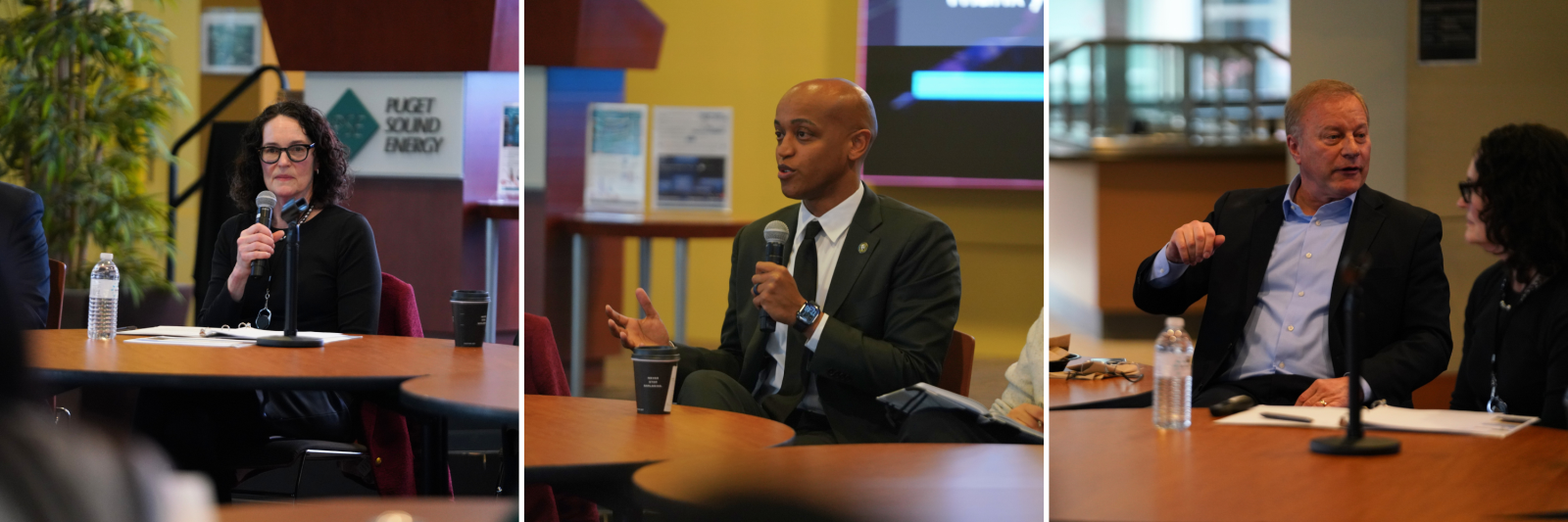
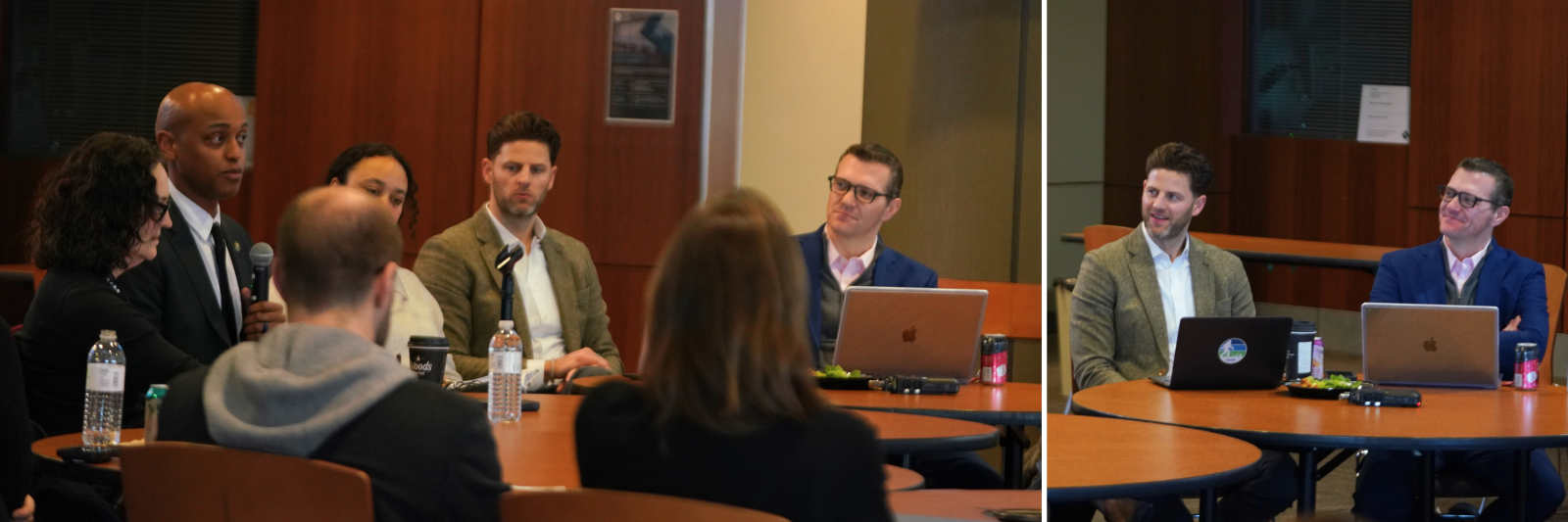
The conversation brought together Diane Carlson from the City of Bellevue, King County Executive Girmay Zahilay, and Chamber President Joe Fain for a timely discussion about growth, housing, mobility, and the policy decisions that will shape the Eastside’s business climate in the months ahead. Throughout the meeting, a consistent theme emerged: Bellevue’s future will be built through partnership.
That spirit of collaboration is familiar to Chamber members. Bellevue’s success has always depended on strong alignment between government, employers, developers, and community leaders. As the city continues to grow, that alignment will matter more than ever.
Housing Is Central to Economic Vitality
One of the clearest messages from the meeting was that housing remains one of Bellevue’s most pressing economic priorities. Carlson emphasized that the city is continuing to push forward on affordable and workforce housing, not only because it is the right thing to do for residents, but because it is essential to sustaining a healthy economy.
Bellevue has already surpassed its earlier affordable housing targets, and now city leaders are setting a higher bar. The city’s latest investments show that this commitment is more than aspirational. It is actionable.
“The council approved $38 million to go towards affordable housing projects.”
— Diane Carlson, Bellevue City Manager
That funding is expected to support hundreds of new units, including projects on city-owned land. For Bellevue’s business community, that is an important signal. Employers need a region where people at a wide range of income levels can live near opportunity. Housing policy is economic policy, and Bellevue appears determined to keep moving in the right direction.
Growth Requires Infrastructure That Keeps Pace
Bellevue’s growth story is not just about numbers. It is also about whether the city is building the infrastructure necessary to support long-term success. From Downtown to BelRed to Wilburton, the city is making strategic investments intended to keep pace with development and improve connectivity.
Carlson highlighted the opening of Fire Station 10 as one example of Bellevue preparing now for the city it is becoming. The station will primarily serve Downtown and BelRed, two of the fastest-growing parts of the city.
The city also continues to advance planning around the Grand Connection, a signature civic vision that would better link the waterfront, Downtown, and Eastrail. The project reflects Bellevue’s broader ambition to think beyond individual developments and create a more connected, welcoming, and vibrant urban experience.
Light Rail and Public Safety Readiness
With light rail service arriving, readiness was another major focus of the discussion. The opportunity is enormous. Better transit access will strengthen regional mobility, improve access to jobs, and reshape how people move through Bellevue. But city leaders were equally clear that success depends on thoughtful coordination and operational readiness.
Bellevue Police are preparing for launch with a dedicated light rail unit and close coordination with Sound Transit, Metro, and other agencies. That level of planning reflects how seriously the city is taking public confidence and public safety as this next phase of regional transit comes online.
The meeting also highlighted how Bellevue is working to modernize city services behind the scenes. Carlson pointed to early efforts to use technology to improve permitting and reduce friction in the development process.
That kind of practical innovation matters. In a city where timelines, predictability, and project delivery all affect economic momentum, better systems can make a real difference.
A Regional Agenda from King County
The King County Executive brought a broader regional lens to the conversation, outlining his first 100 days in office and the priorities he believes will define county government moving forward. He described those priorities through four guiding ideas: breaking the cycle, building for affordability, be in community, and better government.
His remarks suggested an administration that wants to be more visible, more accountable, and more focused on results. He spoke about integrating systems that too often operate in silos, especially around housing, behavioral health, and the justice system. He also emphasized the need to improve how government functions internally, including through performance management and budgeting reform.
For Eastside employers, these regional priorities matter. County decisions influence public safety, human services, transit conditions, and the broader environment in which businesses operate. A more disciplined and outcome-oriented county government would be a welcome development.
Momentum Around the Grand Connection
One of the most notable moments in the meeting occurred during the discussion of Grand Connection funding. The King County Executive emphasized the project’s importance to regional mobility, access, and economic development, and later expressed optimism about potential county support.
Olympia Remains a Source of Uncertainty
Joe Fain closed the meeting with a candid update on the legislative session and the policy climate in Olympia. His message was direct: the pace and scale of recent tax proposals are creating uncertainty for employers, event organizers, philanthropists, and business leaders across the state.
Fain pointed specifically to the newly passed millionaire’s tax and raised concerns about proposals that could complicate conventions, short-term business activity, and broader economic competitiveness. His comments underscored something the Chamber hears often from members: uncertainty itself can become a barrier to investment.
Just as important, he urged Council members to help surface the stories and examples that make those impacts real. Policy debates are often abstract until employers explain what they mean on the ground. That is where Chamber advocacy is most effective.
The Chamber’s Role in What Comes Next
The meeting ended with a strong sense that the Chamber’s Policy Council is stepping into a more active chapter. As Bellevue grows and policy decisions become more consequential at every level of government, the Chamber is well positioned to elevate the voice of Eastside employers and help shape outcomes on housing, transportation, public safety, and competitiveness.
Last week’s discussion was a reminder that Bellevue has both momentum and opportunity. The city is preparing for light rail, investing in housing, advancing major civic infrastructure, and working to modernize how it delivers services. At the same time, regional and state policy decisions will continue to shape the environment in which local businesses operate.
For the Bellevue Chamber, that means continuing to convene, advocate, and lead. And for everyone who cares about the future of this city, it means this is a moment worth paying attention to.
Categories
Bellevue Chamber President & CEO Joe Fain: “In practical terms, this means taxpayers and employers from every corner of Washington would be directly subsidizing the City of Seattle’s budget.”
Read the editorial: https://lnkd.in/g-MttGZa
As we evaluate the legislation, we’re focused on affordability impacts for families and employers, whether outcomes are tangible in communities, and how the policy affects long-term budget sustainability and Washington’s competitiveness.
Chamber President & CEO Joe Fain also flagged several structural issues that need closer review, including treatment of pass-through entities, charitable deductions, a potential marriage penalty, and interactions with other state tax policies.
Read more: https://lnkd.in/g8Uv_wD4