
2026 Economic Forecast Summit: Microwaves, Dishwashers, & 20 Years of Quinlan
2026 Economic Forecast Summit: Microwaves, Dishwashers, & 20 Years of Quinlan
Bellevue Chamber of Commerce | November 18, 2026
Thomas Gilbert asked a sold-out ballroom at the Hyatt Regency Bellevue to vote, by show of hands, on whether AI is a microwave or a dishwasher. Then, the University of Washington finance professor raised his own hand for both.
This was how we kicked off our 2026 Economic Forecast Summit, presented by Bank of America on November 18, which sold out at nearly 600 seats.
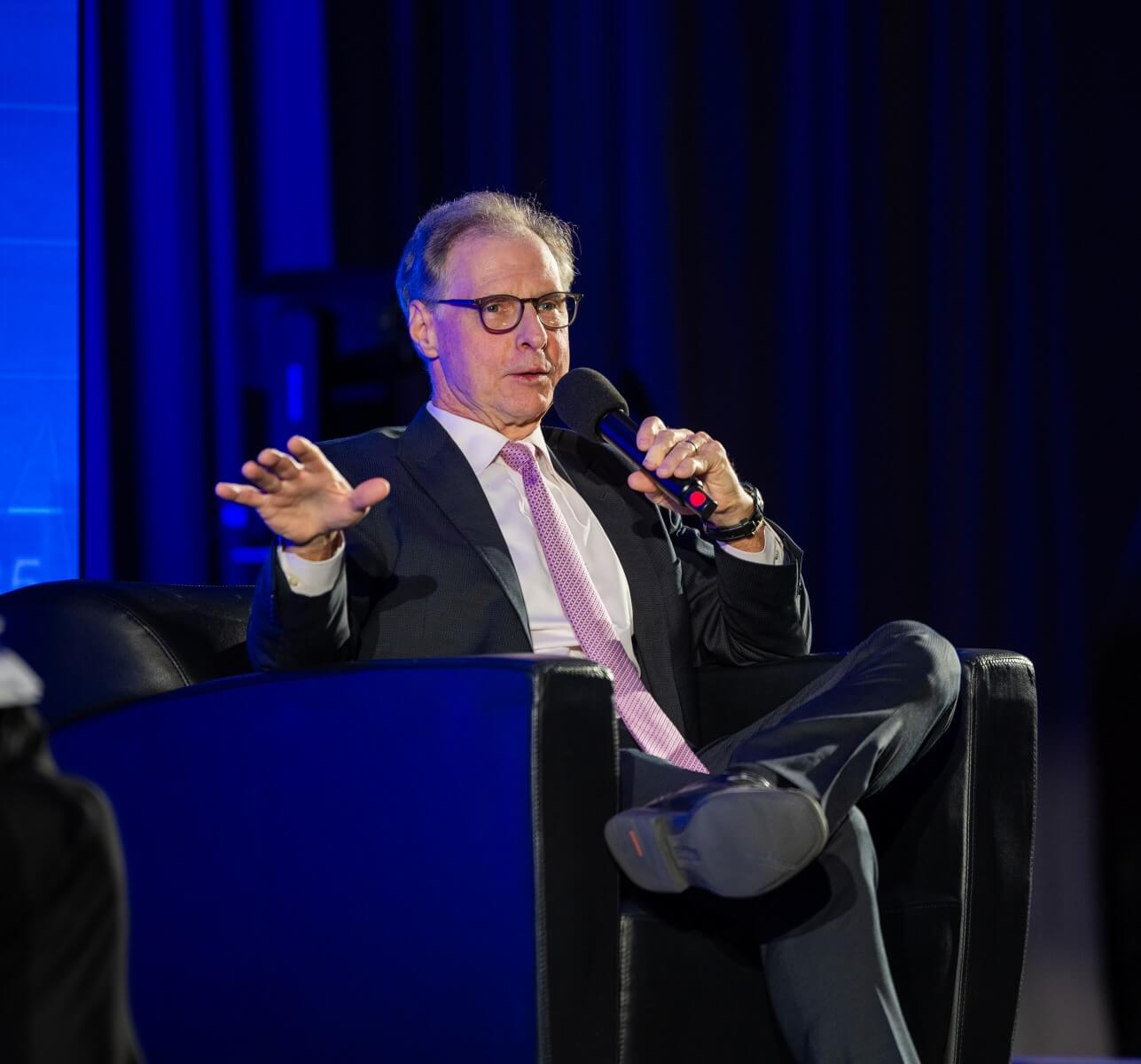
Bellevue City Councilmember Claire Sumadiwirya welcomed the room, Gilbert gave the Washington and Eastside outlook, and Bank of America’s Joe Quinlan delivered his 20th consecutive Summit keynote before sitting down with our President and CEO, Joe Fain.
Is AI a Microwave or a Dishwasher?
Gilbert took the two appliances from a chart of how quickly U.S. households adopted new technologies, as the microwave caught on almost at once, he said, because it sits on the counter and plugs in. The dishwasher spread slowly because it needs a plumber, a new electrical circuit, and a kitchen rebuilt around it. Most business use of AI today is microwave work, he said, such as summarizing a document before a meeting, and the powerful use is the kind that redesigns how the work itself gets done.
"I want you to stop telling me, 'Let’s do more AI.' That’s microwave stuff. It’s fine, [but] I want you to solve big dishwasher problems." — Thomas Gilbert, UW Foster School of Business
A Trillion-Dollar Question for the Eastside
Gilbert's charts showed Seattle-area consumer prices climbing faster than the U.S. city average since 2020, metro-area job growth running far slower than in the last two recoveries, and Seattle home prices basically flat since the 2022 peak, where he marked his own purchase. He tied the slower hiring to federal immigration policy, a low-hire, low-fire labor market, and some AI productivity gains.
By his count, Amazon and Microsoft have spent roughly $1 trillion on AI, and the region has benefited from the wealth that followed. What he is struggling with, he said, is whether the payoff ever gets past the office microwave. His answer was a tagline for Washington — "The AI Dishwasher State" — with medicine, transportation, and agriculture as places to start.
Thomas Gilbert · What AI spending should buy · 1:00
Data Centers, Research and Taxes
Gilbert then turned to incentives. Citing new research in the journal Nature Sustainability, he compared Oregon, where few data centers draw most of their power from fossil fuels, with Nebraska, where he said they all do.
"Let’s not ban data centers; let’s just build them properly. Let’s build them sustainably. Let’s build them in a way that the owners pay for the cost of the electricity." — Thomas Gilbert, UW Foster School of Business
Defunding higher education and research will hurt innovation, he said, and taxing big businesses and wealthy households more will lead to relocation, though he called the size of that effect under Washington’s new tax on income above $1 million unclear. He showed Puget Sound Regional Council data indexing covered employment to 2000, with Bellevue at 130 in 2025 and Seattle at 122, and said jobs have moved across the lake since Seattle passed its payroll tax.
There are, “no easy solutions,” he said, and, “we must discuss the trade-offs openly.” He closed with homework for the year ahead, asking the room to share a drink or a meal with someone they may not agree with, to go outside and leave the phone behind, and to write a card to someone they love.
“And, tell them that you’re thinking about dishwasher problems,” he said.
Quinlan’s 20th Keynote
Keynote speaker Joe Quinlan, introduced by Adam Little of Merrill Lynch, gave away his punchline early and apologized for being a broken record.
"For 20 years, I’ve been coming on here and telling you basically the same thing: This is the greatest economy on earth, bar none." — Joe Quinlan, Bank of America
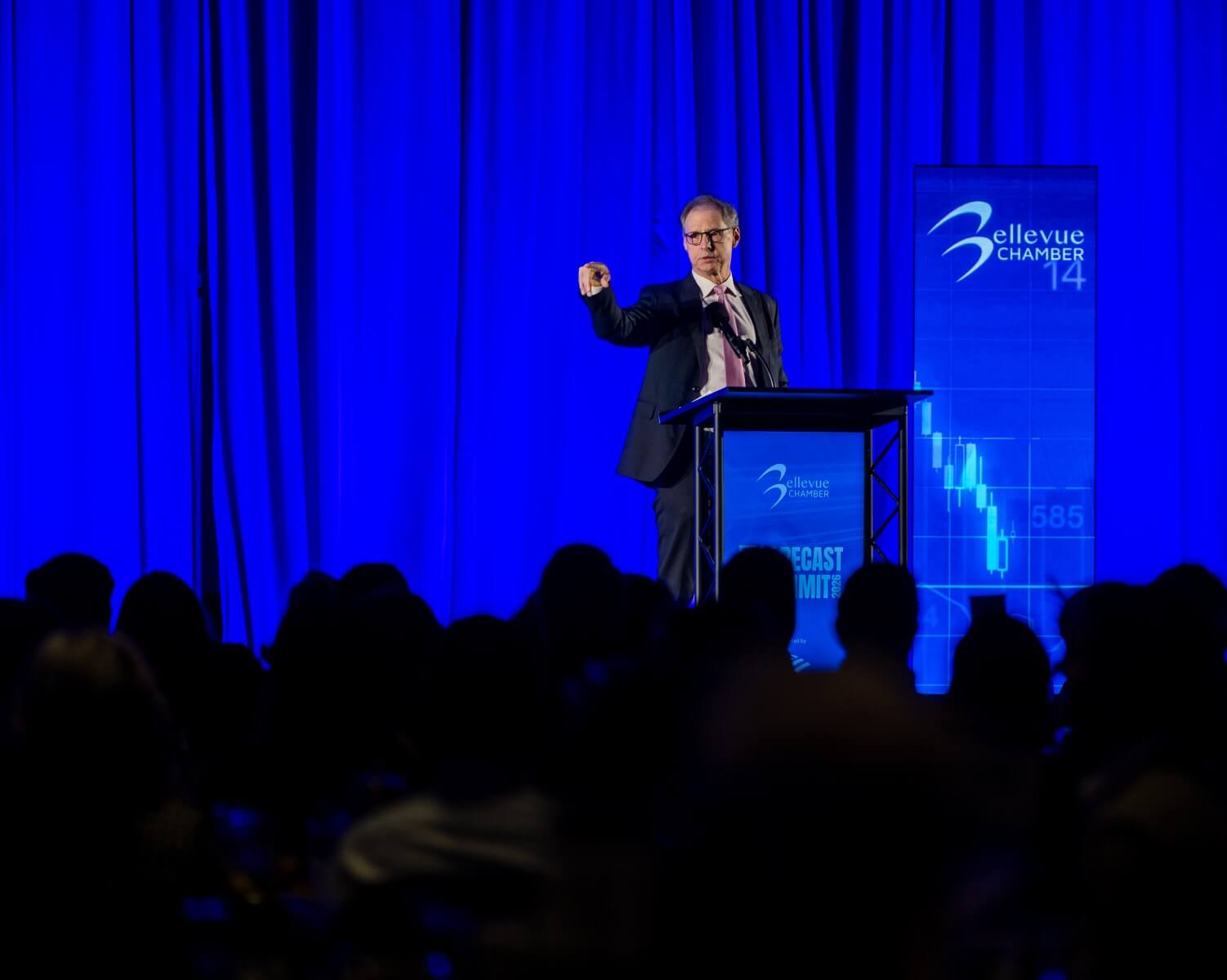
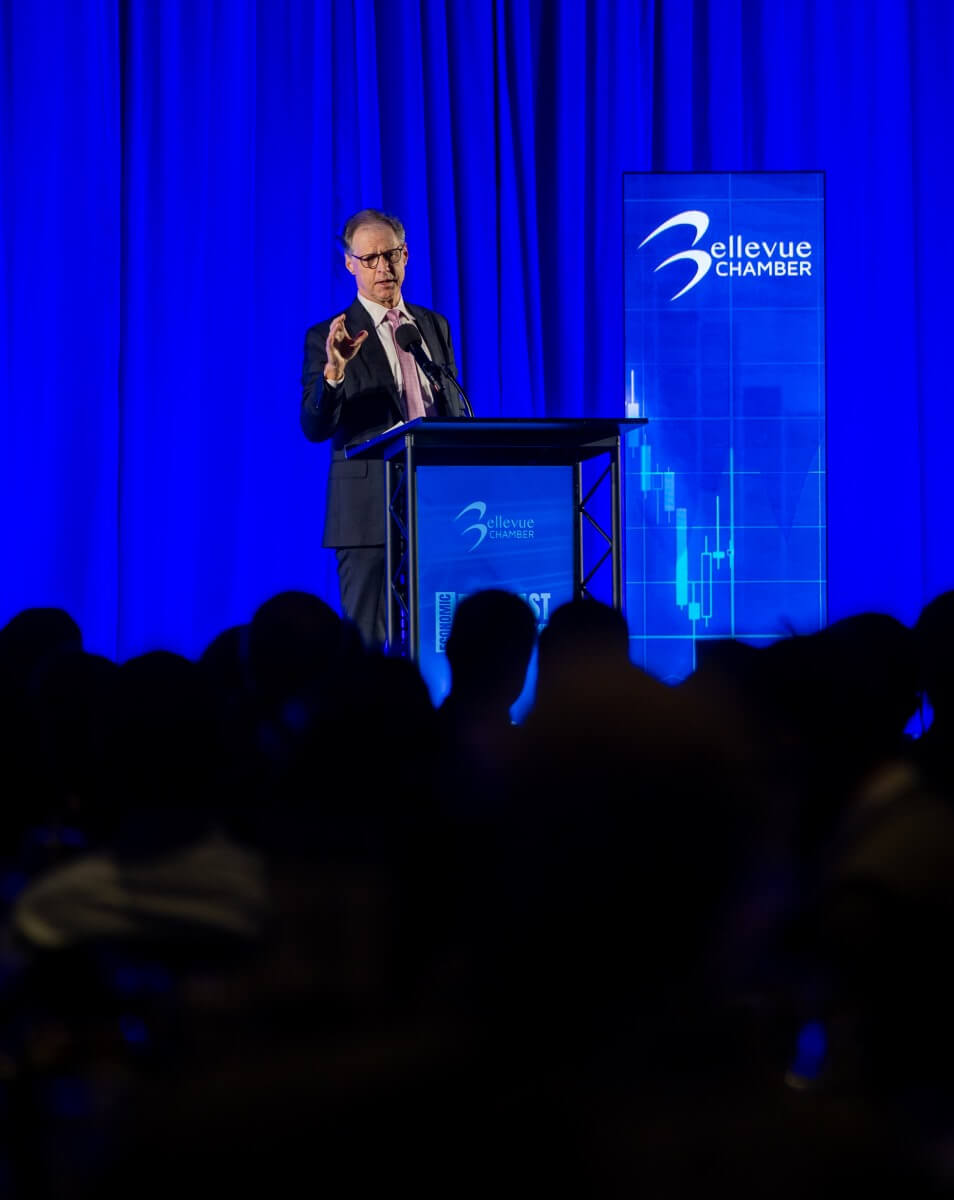
Photos by Bonnie Leung Photography
He said U.S. growth has accelerated this year when he had expected it to moderate. On interest rates, he expects the Federal Reserve to raise rates in December and again in March, and he said he is not looking for a 10-year Treasury yield of 6% or higher.
In the conversation with Fain that followed, Quinlan said he expects tech hiring to be, “much slower and more specialized,” but positive on net, making the case for vocational training and told employers to embrace AI.
“Use it. It’s a tool,” he said.
Fain finished with a lightning round to grade at next year’s Summit. A year from now, Quinlan said, he expects gold to be lower, oil below $80, the 10-year Treasury yield at 5.25%, and the federal funds rate 50 to 75 basis points higher.
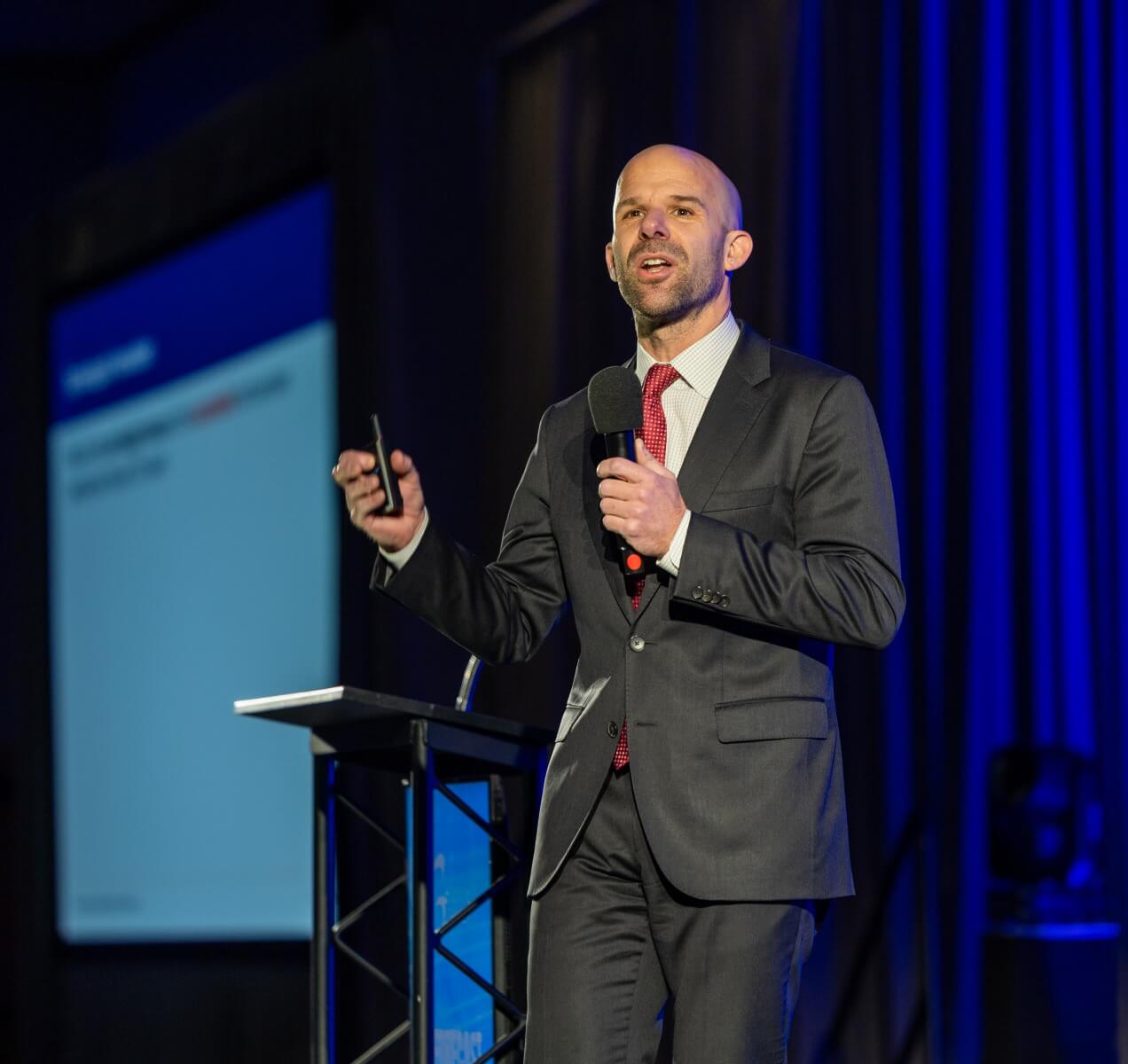
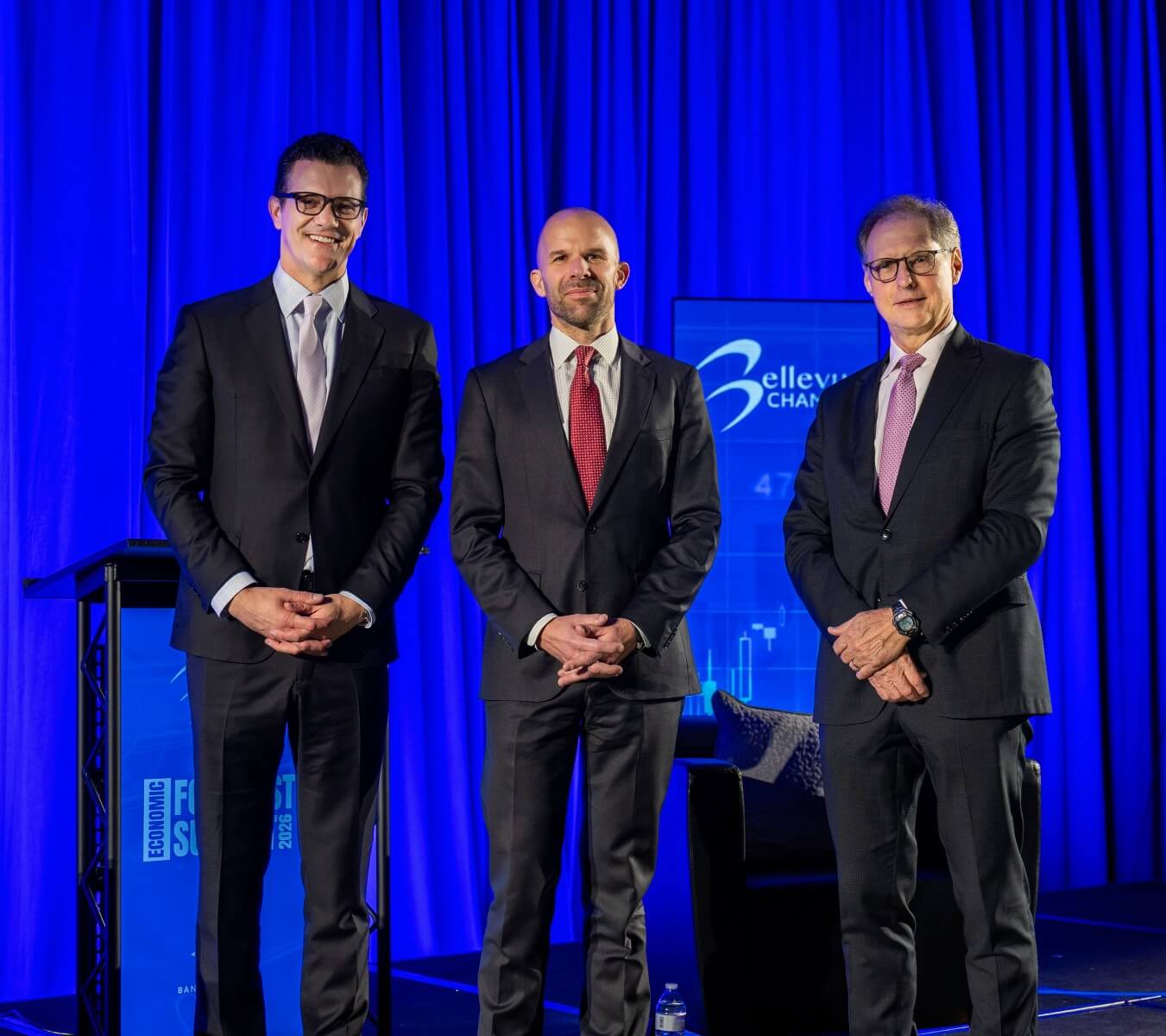
Photos by Bonnie Leung Photography
Categories
Bellevue Chamber President & CEO Joe Fain: “In practical terms, this means taxpayers and employers from every corner of Washington would be directly subsidizing the City of Seattle’s budget.”
Read the editorial: https://lnkd.in/g-MttGZa
As we evaluate the legislation, we’re focused on affordability impacts for families and employers, whether outcomes are tangible in communities, and how the policy affects long-term budget sustainability and Washington’s competitiveness.
Chamber President & CEO Joe Fain also flagged several structural issues that need closer review, including treatment of pass-through entities, charitable deductions, a potential marriage penalty, and interactions with other state tax policies.
Read more: https://lnkd.in/g8Uv_wD4